


what is ecs


Thread Starter
Senior Member
Joined: 06-04-2008
Posts: 136
From: Horn Lake MS
 what is ecs
today as i was driving down the road i swerved to advoid hitting a black cat (didnt want kitty blood on my car) and i happend to glance down and on the DIC it said "ECS ACTIVATED" well i think that was the letters anyway it went away rather quickly, but what is the ECS? emergacy control system maybe? i have no clue what it does and how long its activated yall have any ideas?

Founding Member
Joined: 11-23-2007
Posts: 8,210
From: Texas
today as i was driving down the road i swerved to advoid hitting a black cat (didnt want kitty blood on my car) and i happend to glance down and on the DIC it said "ECS ACTIVATED" well i think that was the letters anyway it went away rather quickly, but what is the ECS? emergacy control system maybe? i have no clue what it does and how long its activated yall have any ideas?
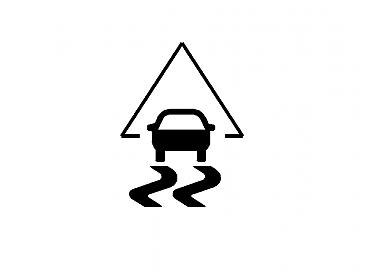
For vehicles with the Electronic Stability Control (ESC) system or the Traction Control System (TCS), the indicator/warning light comes on briefly when the engine is started.
If it does not, have the vehicle serviced by the dealer/retailer. If the system is working normally the indicator light goes off.
If this light is on while certain DIC messages display, this indicates that the ESC and TCS are not working or are disabled.
If this light is on and not flashing, the TCS and potentially the ESC system have been disabled. Check the DIC messaging to determine which feature(s) is no longer functioning and whether it is because of the driver turning off the feature(s), or because the system is not working properly and the vehicle requires service.
If the TCS is disabled, wheel spin is not limited. If the ESC system is disabled, the system does not aid in maintaining directional control of the vehicle.
If the indicator/warning light is on and flashing, the TCS or the ESC system is actively working. Check the DIC messaging for details to determine which system is working. If the LOW TRACTION message appears, the system is limiting wheel spin. If the ESC ACTIVE message appears, the system is aiding in maintaining directional control of the vehicle.

Founding Member
Joined: 11-23-2007
Posts: 8,210
From: Texas
Here is how ESC works and what it is designed to do/prevent:
Vehicle Stability Enhancement System
The vehicle stability enhancement system (VSES) adds an additional level of vehicle control to the EBCM.
Yaw rate is the rate of rotation about the vehicle's vertical axis. The VSES is activated when the EBCM determines that the desired yaw rate does not match the actual yaw rate as measured by the yaw rate sensor.
The desired yaw rate is calculated from the following parameters:
• The position of the steering wheel
• The speed of the vehicle
• The lateral, or sideways acceleration of the vehicle
The difference between the desired yaw rate and the actual yaw rate is the yaw rate error, which is a measurement of oversteer or understeer. If the yaw rate error becomes too large, the EBCM attempts to correct the vehicle's yaw motion by applying differential braking to the appropriate wheel. The amount of differential braking applied to the left or right front wheel is based on both the yaw rate error and side slip rate error.
The VSES activations generally occur during aggressive driving, in turns or on bumpy roads without much use of the accelerator pedal. When braking during VSES activation, the pedal pulsations feel different than the ABS pedal pulsations. The brake pedal pulsates at a higher frequency during VSES activation.
Vehicle Stability Enhancement System
The vehicle stability enhancement system (VSES) adds an additional level of vehicle control to the EBCM.
Yaw rate is the rate of rotation about the vehicle's vertical axis. The VSES is activated when the EBCM determines that the desired yaw rate does not match the actual yaw rate as measured by the yaw rate sensor.
The desired yaw rate is calculated from the following parameters:
• The position of the steering wheel
• The speed of the vehicle
• The lateral, or sideways acceleration of the vehicle
The difference between the desired yaw rate and the actual yaw rate is the yaw rate error, which is a measurement of oversteer or understeer. If the yaw rate error becomes too large, the EBCM attempts to correct the vehicle's yaw motion by applying differential braking to the appropriate wheel. The amount of differential braking applied to the left or right front wheel is based on both the yaw rate error and side slip rate error.
The VSES activations generally occur during aggressive driving, in turns or on bumpy roads without much use of the accelerator pedal. When braking during VSES activation, the pedal pulsations feel different than the ABS pedal pulsations. The brake pedal pulsates at a higher frequency during VSES activation.

Thread Starter
Senior Member
Joined: 06-04-2008
Posts: 136
From: Horn Lake MS
yes i have looked at the owners manual, but doing online classes, spending 8 hours a day at a percussion camp for the past 2 weeks, sleeping every now and then.. oh and then i got to eat, i havnt really had time to really look through the book to find out what 3 letters ment, i have the resourse at my fingertips (smartphone/pda) so i figured y not ask the nice people of chevyhhr.net (while i was on a 10 min break from the camp and about a block from my car... and the book)

Senior Member
Joined: 06-02-2008
Posts: 2,358
From: Fairport Harbor, OH


Senior Member
Joined: 07-05-2008
Posts: 5,464
From: Akron Ohio
If yopu plan on using your vehicle inb the snow make sure to take it to an snow covered empty parking lot to play with this system.
It works very well but it is a good idea to know how it reacts before you really need it.
It does help the dreaded FWD push if you front tires start to lose traction but the system is not fool poof. You can yet push the car to a point it will not be able to save it. But under normal driving it can deal with most anything.
It is a good system but it is different. Kind of like when you used the antilock brakes the first time.
It works very well but it is a good idea to know how it reacts before you really need it.
It does help the dreaded FWD push if you front tires start to lose traction but the system is not fool poof. You can yet push the car to a point it will not be able to save it. But under normal driving it can deal with most anything.
It is a good system but it is different. Kind of like when you used the antilock brakes the first time.