


93 octane 89 octane E85 in SS


Senior Member
Joined: 02-13-2010
Posts: 698
From: HuskerNation

Platinum Member
Joined: 12-06-2009
Posts: 11,721
From: Alabama
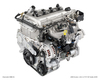
You're talking about direct injection with the SS 2.0 engine. So, theoretically it doesn't matter about the fuel because that fuel does not pass by the intake valves. Only intake air goes by the intake valves.
Senior Member
Joined: 04-26-2009
Posts: 669
From: City of Champions

DI is way different, in many ways...

You do have to change you engine oil, twice as often , with E47,
because of Ethanol dilution...

Senior Member
Joined: 02-13-2010
Posts: 698
From: HuskerNation
Correction: after speaking with a vendor for our platform (who knows more about valve coking on our engines than anyone) the build up is mainly caused by blow-by gasses.
E-85 or any high octane fuel would lessen the detonation so pistons ring flutter would be reduced/less blow-by. But in the end there are no real big differences to speak of. Although, If anyone is really worried that much about carbon build up on their valves, there is a product out there, designed for our engine, which helps prevent it.
Last edited by XtremeSS; Sep 4, 2014 at 05:23 PM.
Senior Member
Joined: 04-26-2009
Posts: 669
From: City of Champions
GM spent a ton of money making sure that the new V8s
don't have this problem...
We can fix with this system:
LNF PCV Anti-coking drain back system - Cobalt SS Network
The instructions with the kit are comprehensive; it is essential that you either have clean valves or get them cleaned. This kit does not clean valves it prevents the continued deposition of oil on the intake valves. So far we have learned quite a bit about this coking issue. While DI valve coking is not unique to the LNF engine, its clear that bisecting the main vent line and inserting a drain back seperator does an effective job in the primary source of oil in the inlet tract.
The inlet manifold pcv valve can be defective, and I have found it so in quite a few de coke jobs on LNF I have done. If the IM pcv valve is reluctant to close until high boost levels hit it, or doesnt close at all, the build up becomes severe and the car really runs badly.
Sometimes I have encountered LNF with issues that the PCV upgrade evidentally could not deal with. Generally that has been cracked piston ring lands, damaged rings, or even broken charge pipes.
If the engine health is good, its reasonable to expect the upgrade will keep your engine running well.
Platinum Member
Joined: 12-06-2009
Posts: 11,721
From: Alabama
No expert on this, but I think this thread has kind of strayed from the coking comment, to now include carbon buildup".
My description was really just talking about coking which occurs outside the combustion chamber on the valves.
Carbon buildup would most likely be on the other side of the valves which would be inside the combustion chamber area.
No real right or wrong here. Just think the "scope" of this thread got a little wide.
My description was really just talking about coking which occurs outside the combustion chamber on the valves.
Carbon buildup would most likely be on the other side of the valves which would be inside the combustion chamber area.
No real right or wrong here. Just think the "scope" of this thread got a little wide.

Thread
Thread Starter
Forum
Replies
Last Post
bigjacksauto
2.0L Performance Tech
18
Jul 25, 2012 10:40 AM